 |
|
||||

 |
 |
 |
 |
 |
|||||
 |
 |
 |
 |
 |
 |
 |
||
 |
 |
 |
 |
 |
 |
 |
 |
 |
 |
|
Open vs Enclosed Car Shipping: Making an Informed DecisionWhen it comes to transporting a vehicle, individuals and businesses alike are often faced with a pivotal choice: open versus enclosed car shipping. Each method boasts its own set of advantages and potential drawbacks, and understanding these can make a significant difference in the shipping experience. Open car shipping is undoubtedly the most prevalent method, primarily due to its cost-effectiveness. Typically involving multi-car carriers, this option allows vehicles to be transported alongside several others, effectively distributing costs and making it a financially attractive choice. The openness of the carrier means that cars are exposed to the elements, which is a point of contention for some. However, many argue that the risk of damage is minimal, citing that the vast majority of vehicles-particularly those not of luxury or classic status-can withstand environmental exposure without any detrimental effects. Those who opt for open shipping often highlight its efficiency, as the higher availability of open carriers can lead to shorter waiting times and quicker delivery schedules. On the flip side, enclosed car shipping offers a layer of protection that many find reassuring, especially for high-value vehicles. This method involves transporting the car within a covered carrier, shielding it from weather conditions, road debris, and potential prying eyes. While the cost is undeniably higher-sometimes by a significant margin-many vehicle owners find the peace of mind well worth the investment. Enclosed shipping is often the preferred choice for classic cars, luxury vehicles, and motorcycles, where even the slightest imperfection could lead to significant depreciation or costly repairs. Deciding between open and enclosed car shipping involves weighing one's priorities and understanding the specific needs of the vehicle in question. For everyday vehicles, the cost savings of open shipping are hard to overlook, while the added protection of enclosed shipping provides invaluable assurance for more prized possessions.
In conclusion, both methods have their place in the world of car transportation, and choosing the right one can lead to a smooth, stress-free experience. By assessing individual circumstances and priorities, vehicle owners can make a choice that best suits their needs, ensuring their car arrives at its destination safely and in the desired condition. https://www.m3post.com/forums/showthread.php?t=844638
Open is fine, I've done this several times before. The car outside is dirty of course, but it's all washable. However, if either car is lowered, I would then ... https://www.jandstransport.com/open-vs-enclosed-car-shipping/
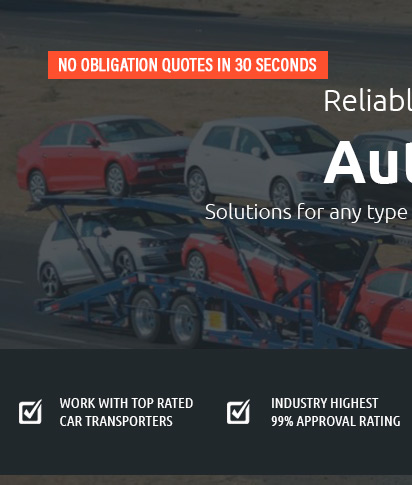
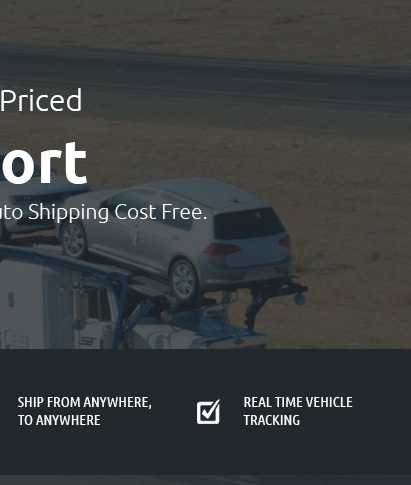
Open car shipping, or open auto transport, is when your vehicle is shipped on a trailer without any walls, ceiling, or solid floor. https://www.reddit.com/r/AutoTransport/comments/1cllvw2/open_or_enclosed_shipment/
Enclosed carriers will cost much more than open but does provide ultimate protection. This method of transport is mainly reserved for high-end ...
|
